Walkable Neighborhoods in Wilson: Your Guide to Car-Free Living in North Carolina
We know that planning a move is both exciting and overwhelming, especially when you're searching for a neighborhood that matches your lifestyle. If you're someone who values the freedom of walking to your favorite coffee shop, strolling to dinner with friends, or running errands without starting your car, Wilson's walkable neighborhoods offer exactly what you're looking for. This comprehensive guide will help you discover the most pedestrian-friendly areas in Wilson, where sidewalks connect you to everything from local boutiques to community parks.
Understanding Walkability in Wilson
Wilson's commitment to pedestrian-friendly development has transformed several neighborhoods into vibrant, walkable communities where residents can accomplish their daily activities on foot. The city's walkability varies significantly by neighborhood, with some areas offering complete car-free lifestyles while others provide selective walkable amenities. Understanding what makes a neighborhood truly walkable in Wilson means looking beyond just sidewalks – it's about proximity to essential services, entertainment options, and the quality of pedestrian infrastructure.
The most walkable areas in Wilson typically feature well-maintained sidewalks, crosswalks with pedestrian signals, street lighting for evening walks, and a density of businesses that encourages foot traffic. These neighborhoods often center around commercial corridors where you'll find everything from Fulford's Family Restaurant to The Whirligig Station, creating natural gathering points for the community.
Downtown Wilson: The Heart of Walkable Living
Downtown Wilson stands as the crown jewel of pedestrian-friendly neighborhoods in the city, offering residents a true car-free lifestyle with everything they need within walking distance. The historic downtown district spans roughly eight blocks, centered around Nash Street and Goldsboro Street, where wide sidewalks and frequent crosswalks make navigation effortless for pedestrians.
Living downtown means having Barton College just a 10-minute walk away, while daily essentials are even closer. Residents can grab their morning coffee at The Coffee Shoppe on Nash Street, pick up groceries at Piggly Wiggly on Ward Boulevard, and enjoy dinner at 505 Downtown or Chop House Burger Bar without ever needing their car keys. The Wilson County Public Library sits right in the heart of downtown, offering programs and resources within easy walking distance.
The neighborhood's walkability extends beyond commerce to recreation and culture. The Vollis Simpson Whirligig Park provides 2.1 acres of green space perfect for evening strolls, while the Boykin Center hosts performances and events just blocks away. For healthcare needs, Wilson Medical Center maintains several downtown offices, ensuring medical care remains accessible on foot.
Historic District: Character Meets Convenience
The Historic District, particularly the areas surrounding West Nash Street and Green Street, offers exceptional walkability combined with architectural charm. This neighborhood features tree-lined streets with well-preserved sidewalks that connect residents to both downtown amenities and local neighborhood spots. The mature shade trees make summer walks pleasant, while the historic street lamps provide excellent lighting for evening strolls.
Residents here enjoy walking to Dick's Hot Dog Stand on Tarboro Street, a Wilson institution since 1921, or heading to Parker's Barbecue on Highway 301 for authentic Eastern North Carolina barbecue. The neighborhood's proximity to Margaret L. Hartness Memorial Park gives families a walkable destination for outdoor activities, while Branch Banking and Trust Company and First National Bank branches along Nash Street keep banking services within pedestrian reach.
The Historic District's grid layout makes navigation intuitive, with most streets featuring sidewalks on both sides. The neighborhood connects seamlessly to downtown via Nash Street, allowing residents to expand their walking radius to include all downtown amenities while maintaining the quieter, residential feel of the historic area.
Forest Hills: Suburban Walkability Redefined
While Living in Forest Hills offers a more suburban experience, this neighborhood has invested significantly in pedestrian infrastructure, making it surprisingly walkable for those who choose the right location within the area. The commercial corridor along Forest Hills Road features continuous sidewalks connecting shopping centers, restaurants, and services.
Key walkable destinations in Forest Hills include Harris Teeter at Forest Hills Shopping Center, Starbucks for coffee enthusiasts, and Cracker Barrel for comfort food dining. The Forest Hills Middle School campus includes walking paths open to the public after school hours, while nearby Corbett Park offers recreational opportunities within walking distance for many Forest Hills residents.
The neighborhood's newer sections feature wider sidewalks and pedestrian crossings at major intersections, particularly around the Target shopping complex and Academy Sports + Outdoors. While Forest Hills may require strategic home selection for optimal walkability, residents who choose properties near the commercial areas can accomplish most errands on foot.
Broad-Kenan Historic District: A Walker's Paradise
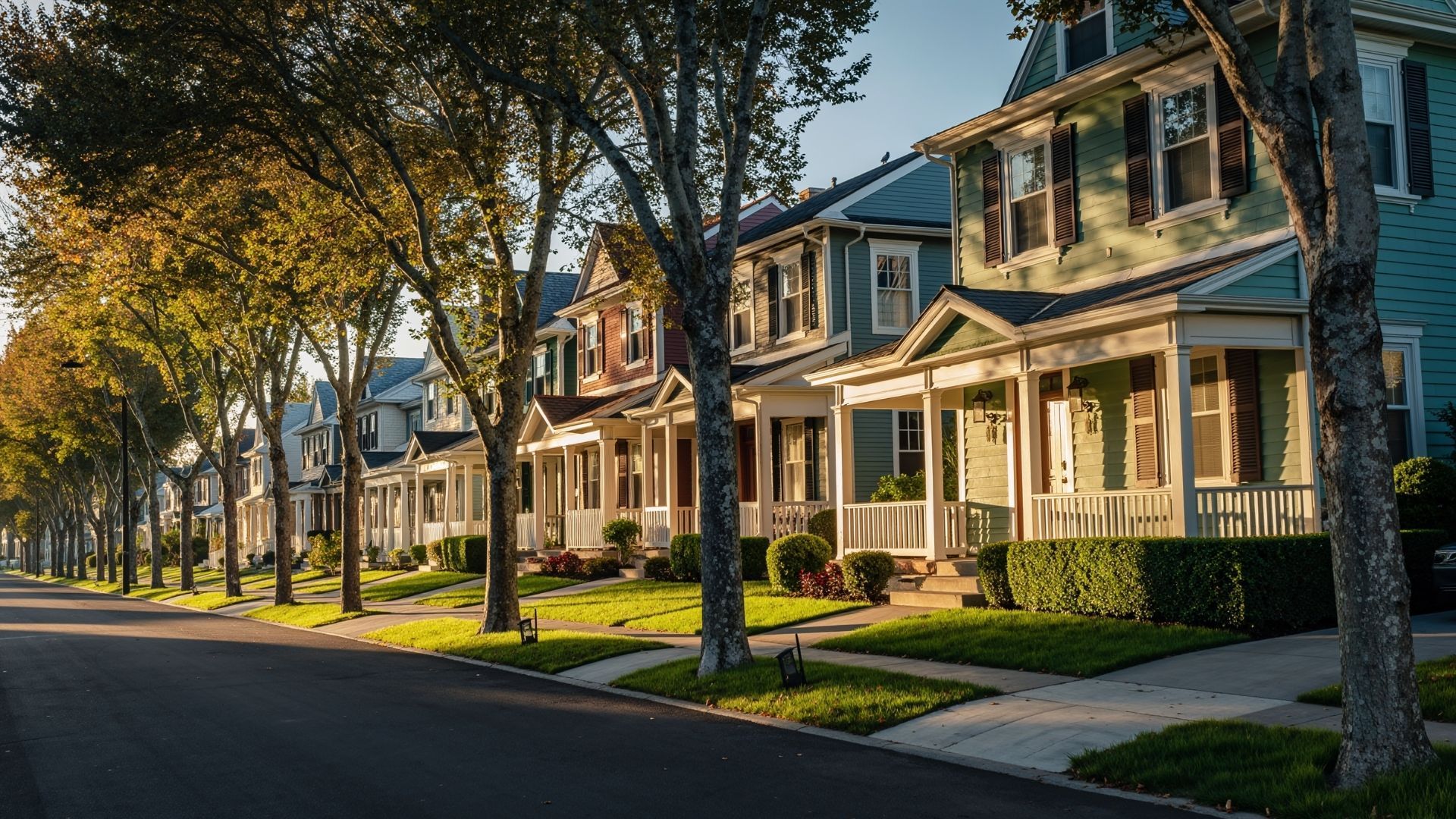
The Broad-Kenan Historic District combines the best of walkable neighborhoods in Wilson with stunning architecture and mature landscaping. This area, bounded by Broad Street and Kenan Street, features some of the city's most consistent sidewalk coverage and pedestrian-friendly street design. The neighborhood's proximity to downtown means residents can walk to all central Wilson amenities while enjoying the quieter pace of a residential district.
Local favorites within walking distance include The Mason Jar Lager Company for craft beer enthusiasts and Wilson Farmers & Artisan Market on Saturdays for fresh produce and local goods. The district's central location puts Imagination Station Science Museum within a pleasant 15-minute walk, perfect for families with children. Healthcare facilities like Wilson Eye Center and Eastern Dermatology maintain offices along the neighborhood's edges, keeping medical care accessible without a car.
When comparing Forest Hills vs Broad-Kenan Historic District, walkability often becomes a deciding factor, with Broad-Kenan offering more traditional pedestrian infrastructure versus Forest Hills' suburban walking paths.
West Wilson: Emerging Walkable Community
West Wilson has transformed in recent years into an increasingly pedestrian-friendly area, particularly around the Ward Boulevard corridor. This neighborhood benefits from its proximity to Barton College, whose campus creates a natural walkable zone extending into the surrounding residential streets. Students and residents alike enjoy walking to campus facilities, which are often open to the community.
The Ward Boulevard commercial strip features essential services within walking distance, including Food Lion for groceries, CVS Pharmacy for prescriptions, and numerous dining options like Texas Steakhouse & Saloon and San Jose Mexican Restaurant. The presence of Wilson Community College nearby adds to the pedestrian traffic and has encouraged businesses to maintain welcoming storefronts for walkers.
Recent infrastructure improvements have added sidewalks along major streets and improved crosswalk safety at key intersections. The neighborhood's connection to the Wilson Greenway trail system provides recreational walking opportunities that extend beyond utilitarian trips, making West Wilson an attractive option for those seeking both practical walkability and leisure walking options.
Factors That Define Wilson's Most Walkable Areas
Understanding what makes certain Wilson neighborhoods more walkable than others helps you choose the right area for your car-free or car-light lifestyle. The most pedestrian-friendly neighborhoods in Wilson share several key characteristics that go beyond simply having sidewalks.
Density of Destinations: The best walkable areas in Wilson cluster essential services, dining, and entertainment within a quarter-mile radius. Downtown Wilson excels here, with over 40 businesses concentrated in the central business district. Areas near Wilson Shopping Mall and Forest Hills Shopping Center create similar walkable clusters in their respective neighborhoods.
Infrastructure Quality: Well-maintained sidewalks make all the difference for daily walking. The Historic District's recent sidewalk restoration project has created smooth, ADA-compliant pathways, while newer developments in Forest Hills feature wide sidewalks with buffer zones between pedestrians and traffic. Street lighting along Nash Street and Goldsboro Street ensures safe walking after dark.
Transit Connections: While Wilson's public transportation is limited, the most walkable neighborhoods often coincide with Wilson Transit bus routes, providing backup options for longer trips. The downtown transit center at Wilson Station serves as a hub connecting walkable neighborhoods when walking isn't practical.
Community Design: Traditional grid layouts in older neighborhoods like Downtown and the Historic District naturally encourage walking with shorter blocks and multiple route options. Newer areas attempting walkability, like parts of Up-and-Coming Areas in Wilson, incorporate walking paths and greenways to compensate for suburban street patterns.
Living Without a Car in Wilson: Practical Considerations
Choosing to live car-free or car-light in Wilson requires strategic neighborhood selection and lifestyle adjustments. Downtown Wilson offers the most comprehensive car-free lifestyle, where residents can walk to work at businesses like BB&T (now Truist) headquarters, shop at The Vintage Chair boutique, and access healthcare at Wilson Primary Care.
For grocery shopping without a car, Downtown and West Wilson residents rely on Piggly Wiggly and Food Lion respectively, both offering manageable walks for weekly shopping. Many residents in walkable neighborhoods use folding shopping carts or backpacks designed for grocery transport. Services like Instacart and Walmart Grocery Pickup complement the walking lifestyle for larger shopping trips.
Healthcare access remains strong in walkable areas, with Wilson Medical Center's main campus technically walkable from downtown (though about a 20-minute walk). Urgent care facilities like Wilson Immediate Care on Nash Street provide more convenient walking access for non-emergency medical needs. Dental offices including Wilson Dental Group and Broad Street Dental maintain downtown locations.
Banking and professional services concentrate in walkable zones, with First National Bank, PNC Bank, and Wells Fargo branches all maintaining downtown locations. Law offices, accounting firms, and insurance agencies cluster along Nash Street and Goldsboro Street, keeping professional services within walking distance.
Seasonal Walking in Wilson Neighborhoods
Wilson's climate significantly impacts the walkability experience throughout the year, making some neighborhoods more pleasant for pedestrians during certain seasons. Understanding these seasonal variations helps you prepare for year-round walking in your chosen neighborhood.
Spring and fall offer ideal walking conditions in Wilson, with temperatures typically ranging from 60-75°F. These seasons see the highest pedestrian traffic in areas like Whirligig Park and along the Wilson Greenway. The Historic District particularly shines during these months, with blooming dogwoods in spring and brilliant fall colors from the mature oak and maple trees lining the streets.
Summer walking requires planning, with high humidity and temperatures often exceeding 90°F. The most successful summer walkers in Wilson take advantage of shaded routes - the tree canopy along Green Street and Broad Street provides natural cooling, while downtown's awnings and covered walkways offer respite. Early morning walks to The Coffee Shoppe or evening strolls to dinner at Prime Smokehouse help avoid peak heat.
Winter walking in Wilson remains manageable, with rare snow and ice events. However, neighborhoods vary in their winter maintenance. Downtown and commercial areas prioritize sidewalk clearing during the occasional winter weather event, while residential areas in Wilson Suburbs Guide may take longer to become walkable after ice storms.
Family-Friendly Walkable Living
Families seeking walkable neighborhoods in Wilson have unique considerations beyond adult conveniences. The most family-friendly walkable areas combine safe pedestrian infrastructure with proximity to schools, parks, and family activities. Best Family Neighborhoods in Wilson often overlap with the most walkable areas, creating ideal environments for raising children without constant car dependency.
Downtown Wilson families appreciate walking distance access to Imagination Station Science Museum, where children can enjoy hands-on learning experiences. The Wilson County Public Library's children's section hosts regular programs, all within an easy stroll from downtown residences. Denton Park and Gillette Park provide playground equipment and open spaces for active play without requiring a drive.
School walkability varies by neighborhood, with Vinson-Bynum Elementary and Winstead Elementary serving walkable zones for some Historic District families. Forest Hills Middle School's location makes it walkable for Forest Hills residents, though most Wilson schools still require bus or car transportation. The presence of crossing guards at key intersections near schools enhances safety for walking students.
Family dining in walkable neighborhoods goes beyond fast food, with restaurants like Coach's Neighborhood Grill offering kid-friendly menus in pedestrian-accessible locations. Tropical Smoothie Cafe and Marco's Pizza along Ward Boulevard provide quick, walkable meal options for busy families in West Wilson.
Walkability for Young Professionals
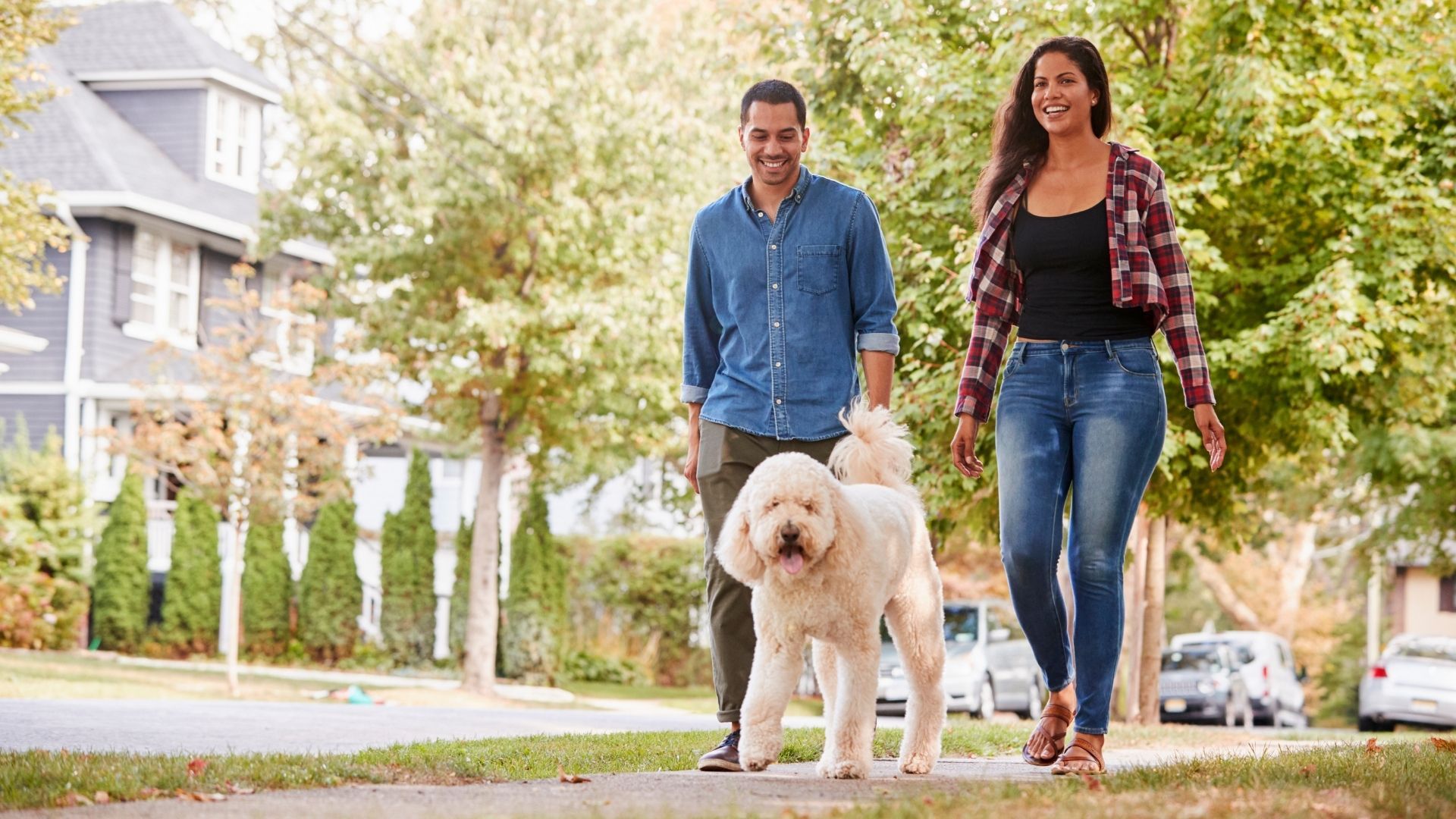
Young Professional Areas in Wilson increasingly prioritize walkability as a key amenity. The lifestyle of walking to work, networking events, and entertainment venues appeals strongly to this demographic. Downtown Wilson has responded with developments catering to young professionals who value pedestrian accessibility.
The concentration of professional offices downtown means many young professionals can walk to work at firms like Ward and Smith Law Firm, Dixon Hughes Goodman LLP, or the various tech startups in the Wilson Innovation District. After-work networking happens naturally at walkable venues like The Whiskey Kitchen or Brewmasters Bar & Grill, eliminating the need for designated drivers.
Weekend walkability extends to the farmers market, where young professionals shop for local produce while socializing with neighbors. The growing craft beverage scene, anchored by The Mason Jar Lager Company and complemented by 217 Brew Works, creates a walkable entertainment district that rivals larger cities.
Fitness-minded young professionals appreciate walking access to Planet Fitness near downtown or Curves on Nash Street. The Wilson Greenway provides running and cycling opportunities directly from several walkable neighborhoods, supporting active lifestyles without gym memberships.
Senior-Friendly Walkable Communities
Wilson's walkable neighborhoods offer significant benefits for seniors and retirees seeking to maintain independence while potentially reducing or eliminating driving. The flat topography of most Wilson neighborhoods makes walking easier for older residents, while the presence of benches and rest areas in commercial districts provides necessary breaks during longer walks.
Downtown Wilson serves seniors well with walkable access to Wilson Senior Center on Nash Street, offering programs and social activities within easy reach. Medical facilities concentrate in walkable zones, with specialists like Wilson Heart Center and Eastern Radiology maintaining offices along major pedestrian corridors. Pharmacies including CVS, Walgreens, and Realo Pharmacy ensure prescription access without driving.
The Historic District's mature sidewalks feature relatively few trip hazards after recent improvements, while newer developments in Forest Hills built ADA-compliant pathways from the start. Street crossing signals at major intersections include audible indicators and extended crossing times, acknowledging the needs of senior pedestrians.
Social opportunities abound in walkable neighborhoods, from morning coffee groups at The Coffee Shoppe to evening programs at the Wilson Arts Center. Churches like First United Methodist Church and St. Timothy's Episcopal Church sit within walking distance of downtown residential areas, maintaining important community connections for senior residents.
Economic Benefits of Choosing Walkable Neighborhoods
Living in Wilson's walkable neighborhoods can significantly impact your household budget beyond just saving on gas. Residents in car-free neighborhoods often find they can eliminate one vehicle entirely, saving an average of $9,000 annually in car payments, insurance, maintenance, and fuel. Even maintaining one car instead of two while living in walkable areas provides substantial savings.
Property values in Wilson's most walkable neighborhoods have shown steady appreciation, with downtown properties and Historic District homes maintaining strong resale values. The demand for pedestrian-friendly living continues growing, making walkable neighborhood properties solid investments. Areas undergoing walkability improvements, detailed in our guide to Up-and-Coming Areas in Wilson, may offer investment opportunities before prices reflect improved pedestrian infrastructure.
Daily expense savings accumulate quickly when walking replaces driving. Eliminating parking fees downtown, reducing wear on vehicles, and avoiding impulse purchases that often accompany driving trips all contribute to lower monthly expenses. Some residents report saving $200-300 monthly just from reduced casual driving.
Insurance companies increasingly recognize the lower risk profile of residents in walkable neighborhoods, sometimes offering reduced auto insurance rates for low-mileage drivers. Health insurance benefits may also improve, as regular walking contributes to better health outcomes and potentially lower healthcare costs.
Making Your Move to Wilson's Walkable Neighborhoods
Once you've identified your ideal walkable neighborhood in Wilson, planning your move requires special considerations. Smart Move Wilson Moving & Storage understands the unique challenges of relocating to pedestrian-friendly areas, where narrow streets, limited parking, and historic district regulations can complicate moving day.
Start by researching parking restrictions in your chosen neighborhood. Downtown Wilson and the Historic District often have permit parking requirements or time-limited street parking that affects moving truck access. Contact the Wilson Planning Department for temporary moving permits, especially for downtown locations where you might need to reserve street parking spaces.
Consider downsizing before your move to a walkable neighborhood. The car-free lifestyle often means less storage space and a focus on essentials. Donate or sell items that won't fit your new walking-centered life. Smart Move can help coordinate donation pickups to local organizations like Goodwill on Forest Hills Road or The Salvation Army on Herring Avenue.
Pack with walking in mind - you'll want easy access to comfortable walking shoes, weather-appropriate clothing, and perhaps a quality backpack or rolling cart for future shopping trips. Label boxes clearly for rooms that might be smaller in historic walkable neighborhoods compared to suburban homes.
Future of Walkability in Wilson
Wilson continues investing in pedestrian infrastructure, with several projects enhancing neighborhood walkability. The Wilson 2030 Comprehensive Plan prioritizes connecting existing walkable nodes through improved sidewalk networks and greenway extensions. The planned expansion of the Wilson Greenway will link more neighborhoods to the current trail system, increasing recreational and transportation walking options.
Commercial development increasingly considers walkability, with new mixed-use projects incorporating wide sidewalks, pedestrian plazas, and ground-floor retail designed for foot traffic. The success of downtown's walkable core influences development patterns in emerging areas, encouraging pedestrian-friendly design in new construction.
Technology supports Wilson's walkable lifestyle through apps showing real-time business hours, mobile ordering for pickup at local restaurants, and community boards connecting neighbors for walking groups. The Wilson Downtown Development Corporation's initiatives continue promoting walkability through events like "Walk Wilson Wednesdays" and the monthly Art Walk.
Climate adaptation plans include increasing street tree coverage for shade, installing more pedestrian rest areas with seating, and improving stormwater management to prevent sidewalk flooding. These improvements ensure Wilson's walkable neighborhoods remain comfortable and accessible year-round.
Conclusion
Wilson's walkable neighborhoods offer diverse options for anyone seeking a pedestrian-friendly lifestyle in North Carolina. From the comprehensive car-free living possible in Downtown Wilson to the selective walkability of Forest Hills, each neighborhood provides unique advantages for walkers. The Historic District and Broad-Kenan areas blend architectural charm with practical pedestrian infrastructure, while emerging areas like West Wilson continue improving their walkability.
Choosing the right walkable neighborhood depends on your personal priorities - whether that's proximity to work, access to schools, or the density of dining and entertainment options. Consider factors like infrastructure quality, seasonal weather impacts, and the economic benefits of reduced car dependence as you evaluate your options.
As you prepare for your move to one of Wilson's pedestrian-friendly neighborhoods, remember that
Smart Move Wilson Moving & Storage specializes in navigating the unique challenges these areas present. From securing moving permits to efficiently handling narrow historic district streets, we ensure your transition to walkable living starts smoothly. Explore
our complete guide to moving to Wilson for comprehensive information about making Wilson your new home, and discover why so many residents are choosing the freedom and community connection that comes with living in Wilson's walkable neighborhoods.