Your Guide in Moving to Wilson, NC: From Search to Settling In
Your guide in moving to Wilson, NC starts with understanding what this North Carolina city offers relocators. Located approximately 40 miles east of Raleigh, Wilson combines small-town charm with surprisingly modern infrastructure. The city operates its own fiber optic internet service called Greenlight. This municipal broadband provides high-speed connectivity that rivals major metropolitan areas. The cost of living sits below national averages while maintaining quality amenities.
Wilson's economy centers on manufacturing, healthcare, and growing technology sectors. Bridgestone Americas employs over 1,800 people at its tire manufacturing facility. Wilson Medical Center anchors the healthcare sector. The city attracts new businesses in renewable energy and tech fields. This economic diversity creates job stability and growth opportunities. Housing options range from historic downtown apartments to suburban developments. Average rent for one-bedroom units hovers around $1,245, with recent decreases of about 2.6% over the past year.
The downtown area features the iconic Vollis Simpson Whirligig Park. These massive wind-powered sculptures have become symbols of Wilson's creative spirit. East Wilson and Old Wilson Historic Districts showcase architectural heritage dating back over a century. Educational opportunities include Barton College and Wilson Community College. Major employers continue investing in the area. This combination makes Wilson attractive for families, young professionals, and retirees seeking affordability without sacrificing modern conveniences.
Choosing Your Wilson Neighborhood and Housing Type
Finding the right neighborhood shapes your entire Wilson experience. Each area offers distinct characteristics that appeal to different lifestyles and priorities. Moving to Wilson, NC becomes much smoother when you understand these neighborhood differences before committing to housing.
Eagle Farm attracts families seeking suburban serenity and green spaces. This neighborhood features newer developments with modern amenities. Parks and recreational areas dot the landscape. Residents appreciate the quiet streets and family-friendly atmosphere. Schools in this area receive strong ratings from parents and educators alike.
Five Points represents Wilson's bustling center where history meets modern convenience. This area offers mixed housing options from apartments to single-family homes. Local businesses, restaurants, and shops create walkable downtown vibrancy. Young professionals and empty nesters often gravitate toward Five Points. The energy here differs significantly from quieter suburban areas.
Brentwood caters to those seeking upscale living arrangements. Larger homes dominate this neighborhood, with some properties within gated communities. The area appeals to established professionals and families wanting premium amenities. Property values run higher here but so do the quality and size of homes.
Old Wilson Historic District draws people who appreciate architectural heritage and character. Classic homes from the early 1900s line tree-shaded streets. Many properties have been lovingly restored while maintaining original features. Living here means embracing historic preservation standards. This trade-off rewards residents with unique homes full of charm.
Housing types vary significantly across Wilson. Apartments range from modern complexes to converted historic buildings. Studio apartments average around $1,151 monthly. One-bedroom units typically cost $1,245 per month. Two-bedroom apartments run approximately $1,354. Three-bedroom units average $1,548 monthly. These rates remain affordable compared to nearby Raleigh or Durham.
Single-family homes offer another popular option. Rental houses average $1,531 monthly with about 771 square feet. Purchase prices vary by neighborhood and property condition. The median home value provides significant savings compared to larger North Carolina cities. Townhomes split the difference between apartments and houses. They average $1,230 monthly with more space at 1,116 square feet.
Research specific properties thoroughly before committing. Visit neighborhoods at different times of day. Morning and evening visits reveal traffic patterns and noise levels. Weekend visits show recreational use of nearby parks and facilities. Talk to current residents when possible. Their firsthand experiences provide insights you won't find in listings. This Wilson neighborhoods guide offers detailed information about each area.
Understanding the Full Cost of Moving to Wilson, NC
The cost of moving to Wilson, NC extends beyond hiring movers and renting trucks. Smart budgeting accounts for all expenses from initial relocation through your first few months. This comprehensive approach prevents financial surprises that could strain your transition.
Professional moving services vary widely in price. Local moves within North Carolina typically cost less than cross-country relocations. Get quotes from at least three different companies. Ask detailed questions about what each quote includes. Some movers provide packing materials and labor. Others charge extra for these services. Insurance coverage protects your belongings but adds to costs.
DIY moves using rental trucks offer savings for budget-conscious relocators. Truck rental rates depend on vehicle size and rental duration. Factor in gas costs for your journey. One-way rentals often cost more than round trips. You'll also need to recruit helpers or hire loading labor. Add costs for packing materials, dollies, and moving blankets.
Timing affects moving costs significantly. Summer months see highest demand and premium pricing. Spring and fall offer better rates and pleasant weather. Winter moves cost least but weather complications increase risks. Book your moving date at least four weeks ahead regardless of season.
Beyond transportation, budget for immediate housing costs. First month's rent plus security deposit creates a large upfront expense. Some landlords require last month's rent too. Application fees and credit checks add smaller amounts. Utility deposits for electricity, water, and internet can total several hundred dollars. Pet deposits or fees apply if you have animals.
Initial furnishing and household supplies add up quickly. Even if you're bringing furniture, you'll need cleaning supplies, toilet paper, and basic kitchen items. Budget several hundred dollars for these essentials. Don't forget costs for changing your address with various organizations. New driver's licenses and vehicle registration require fees.
Track your spending carefully during the first three months. This period reveals your true cost of living in Wilson. Grocery costs might differ from your previous location. Fuel prices affect your commute expenses. Healthcare costs vary based on your insurance and local providers. Entertainment and dining expenses depend on your lifestyle choices. This detailed Wilson cost of living guide breaks down typical monthly expenses.
Navigating Wilson's Rental and Real Estate Market
Wilson's housing market offers opportunities for both renters and buyers. Understanding current market conditions helps you make informed decisions and negotiate effectively. The rental market has seen slight decreases recently, creating advantages for new residents.
Apartment complexes provide various amenities and price points. Oasis at Heritage on Raleigh Road Parkway offers one to three-bedroom units from $1,399 to $2,096 monthly. The Lofts at Whirligig Station downtown provides one and two-bedroom apartments from $900 to $1,399. The Carolinian Apartments near the airport features units from $1,350 to $2,050. Centro at Pine Nash downtown offers studios through two-bedrooms from $1,095 to $1,995.
More affordable options exist throughout Wilson. Cameron Apartments on Vineyard Drive offers units from $999 to $1,625. Briarcliff Apartments provides two-bedroom options from $950 to $1,150. College Court Apartments near educational facilities ranges from $975 to $1,245. The Bluebird downtown offers one and two-bedrooms from $1,075 to $1,345.
Rental houses provide alternatives to apartment living. Properties range from small one-bedroom homes around $625 monthly to larger three-bedroom houses near $1,850. Mid-range two-bedroom houses typically fall between $1,275 and $1,475 monthly. These homes often include yards and more privacy than apartment complexes.
Property management companies handle many rentals in Wilson. Cornerstone Residential, Willow Bridge, and Avenue5 Residential manage multiple properties. Working with established companies often streamlines the rental process. They maintain professional standards and clear lease agreements. Individual landlords offer another option with potentially more flexible terms.
Homebuyers find Wilson's market attractive due to affordability. Research mortgage rates and get pre-approved before house hunting. This demonstrates serious intent to sellers and speeds the purchase process. Connect with local real estate agents who know Wilson's neighborhoods intimately. They provide access to new listings quickly and guide you through negotiations.
Consider future resale value when purchasing property. Areas seeing new development often appreciate faster. Historic districts maintain stable values due to unique character. School districts affect home values significantly. Properties near highly-rated schools command premium prices but hold value better.
Setting Up Your New Life and Essential Services
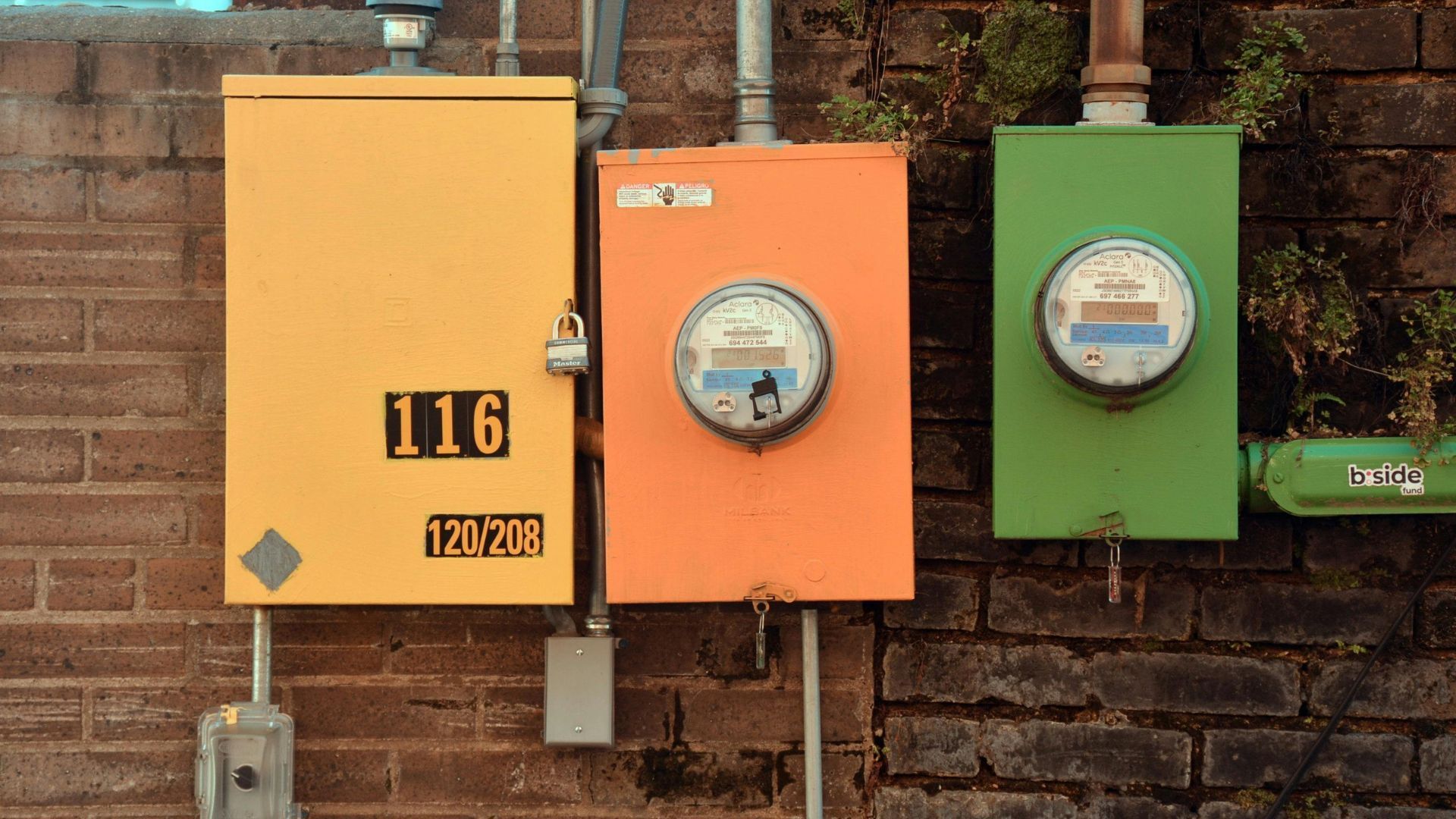
Getting utilities connected properly prevents frustration after moving day. Contact providers at least two weeks before your arrival date. This timeline allows scheduling flexibility and avoids connection delays. Wilson offers excellent utility options including its municipal broadband system.
Wilson Energy handles electricity and gas for most city residents. Call their customer service department to establish your account. Have your new address, move-in date, and identification ready. They'll schedule connection during business hours. Ask about budget billing options if you prefer consistent monthly payments.
City of Wilson Public Utilities manages water, sewer, and trash collection. One call handles all three services simultaneously. This simplified system beats dealing with multiple providers. Pay your deposit and provide identification to activate service. Trash pickup schedules vary by neighborhood. Learn your collection days immediately to avoid missed pickups.
Internet connectivity in Wilson offers something special. Greenlight municipal fiber optic service provides speeds rivaling any major city. This system gives Wilson a technological edge over much larger communities. Remote workers particularly benefit from reliable high-speed internet. Spectrum and AT&T Fiber provide alternative options. Compare speeds, prices, and contract terms before deciding.
Banking needs require attention during your transition. Open accounts at local banks or credit unions. Wilson has branches of major national banks plus community institutions. Local banks often provide more personalized service. Credit unions typically offer better rates on loans and savings accounts. Bring identification and proof of address to open accounts.
Healthcare providers should be established soon after arrival. Wilson Medical Center offers comprehensive services including emergency care. Find a primary care physician accepting new patients. Transfer prescriptions to local pharmacies. Dentists, eye doctors, and specialists require research too. Ask neighbors and coworkers for recommendations. Online reviews provide additional perspectives.
Vehicle needs include registration, insurance, and maintenance providers. North Carolina requires vehicle inspections before registration. Find a certified inspection station soon after arrival. Update your auto insurance with your Wilson address. Rates often differ from your previous location. Locate reliable mechanics for regular maintenance. This preparation prevents scrambling when problems arise.
Understanding Wilson's Transportation and Accessibility
Wilson's transportation infrastructure shapes daily life for residents. The city rates 41 out of 100 on WalkScore, indicating car dependence for most errands. BikeScore sits at 40, meaning cycling remains challenging for regular transportation. Most residents rely on personal vehicles for getting around. This reality affects housing decisions and daily schedules.
Commute times in Wilson average just 20 minutes. This short duration beats larger cities significantly. You'll spend less time in traffic and more time with family or pursuing hobbies. Those working in Raleigh face about 45 minutes of highway driving. US-264 and I-95 provide major highway access. These routes connect Wilson to larger cities and employment centers.
Public transportation options remain limited in Wilson. The city doesn't maintain extensive bus systems like metropolitan areas. This reinforces the need for reliable personal vehicles. Carpooling offers one alternative for daily commutes. Rideshare services operate in Wilson but with less frequency than urban areas.
Commuter rail service through Wilson provides connections to Rocky Mount and Selma. This Amtrak service offers alternatives for longer trips. The station downtown provides convenient access for residents. Rail travel works well for visiting Raleigh or heading to other East Coast destinations. Check schedules carefully as trains run less frequently than in major cities.
Airport access requires planning since Wilson lacks commercial aviation. Pitt-Greenville Airport sits closest, offering limited commercial flights. Raleigh-Durham International Airport provides comprehensive service about 50 miles away. Most Wilson residents use RDU for air travel. Factor this distance into trip planning and allow extra time for airport commutes.
Parking rarely presents challenges in Wilson. Most apartments include dedicated spaces or covered parking. Homes typically feature driveways or garages. Downtown parking remains accessible and often free. This contrasts sharply with crowded urban areas where parking creates constant frustration.
Integrating Into Wilson's Community and Culture
Making Wilson feel like home requires active engagement with the community. The city offers numerous opportunities for connection and involvement. Your willingness to participate determines how quickly you feel settled and comfortable.
Vollis Simpson Whirligig Park serves as Wilson's cultural centerpiece. These massive wind-powered sculptures create unique public art experiences. The park hosts events throughout the year bringing residents together. Visit regularly to appreciate these kinetic artworks and meet fellow community members. The museum component educates visitors about the artist's creative vision.
Historic districts provide windows into Wilson's past. Walk through East Wilson and Old Wilson Historic Districts to appreciate architectural heritage. These areas appear on the National Register of Historic Places. West Nash Street Historic District features classic homes lovingly preserved. Understanding local history deepens your connection to the community.
Parks and recreational facilities offer abundant outdoor opportunities. Wilson maintains numerous green spaces for various activities. Sports leagues for adults and children run throughout the year. Join a team to meet people while staying active. Many parks feature playgrounds, walking trails, and picnic areas. These spaces host community gatherings and informal social interactions.
Arts and culture thrive in Wilson beyond the Whirligig Park. Local theater productions, art galleries, and music venues provide entertainment options. Support these cultural institutions by attending events and performances. The arts community welcomes newcomers who appreciate creative expression. Volunteer opportunities exist with most cultural organizations.
Educational institutions create community connection points. Barton College and Wilson Community College host public events and lectures. Attend these programs to learn and meet intellectually curious neighbors. The college community adds vibrancy to Wilson's cultural scene. Students and faculty contribute diverse perspectives and energy.
Local businesses deserve your patronage and loyalty. Shopping at independent stores supports your neighbors and community economy. Family-owned restaurants offer authentic local flavors. Strike up conversations with business owners and staff. These relationships make Wilson feel like home rather than just another place to live.
Community events throughout the year provide structured social opportunities. Festivals, holiday celebrations, and farmers markets draw crowds. Attend these gatherings to experience Wilson's community spirit firsthand. Volunteer at events to meet people while contributing to your new hometown. This comprehensive Wilson city guide offers deeper insights into local culture and amenities.

Planning for Education and Family Considerations
Families moving to Wilson, NC need comprehensive information about educational options. The Wilson County Schools system serves most city residents. This accredited system includes schools with varying specialties and performance levels. Research individual schools based on your specific address and children's needs.
Rock Ridge Elementary and New Hope Elementary both receive 9 out of 10 ratings. These schools serve kindergarten through fifth grade. Strong academic performance and engaged parent communities characterize both institutions. Winstead Elementary provides another option for elementary students. John W Jones Elementary earns 8 out of 10 ratings while serving pre-kindergarten through fifth grade. Wells Elementary rounds out local options with a 7 out of 10 rating.
Middle and high schools require equal consideration for families with older children. Wilson Early College High School stands out for its innovative approach. Students can earn college credits while completing high school requirements. This program saves families money on future college costs. Research which middle schools feed into your preferred high schools.
Private school alternatives exist for families seeking different educational environments. Religious and independent schools operate throughout Wilson. These institutions often feature smaller class sizes and specialized curricula. Visit schools during your house hunting trips. Meeting administrators and touring facilities informs your decision better than online research alone.
Higher education proximity benefits students and lifelong learners. Wilson Community College offers associate degrees and technical training locally. Barton College provides four-year undergraduate programs. Nearby universities include Duke, NC State, UNC Chapel Hill, and East Carolina. Students can start locally then transfer to prestigious four-year institutions. This geographic advantage offers flexibility for educational planning.
Childcare services require early research since quality programs maintain waiting lists. Daycare centers range from large corporate facilities to small home-based providers. Interview potential providers thoroughly. Ask about staff qualifications, child-to-teacher ratios, and daily schedules. Check licensing and inspection records through state databases. Other parents provide invaluable recommendations based on firsthand experience.
After-school programs and extracurricular activities enrich children's lives. Sports leagues, arts programs, and academic clubs operate throughout Wilson. The parks and recreation department coordinates many youth activities. Schools sponsor clubs matching various interests. These programs help children make friends while developing skills and passions.
For families with special needs children, research available support services. Wilson County Schools provides special education programs as federally mandated. Private therapists and support services operate in the area. Connect with parent support groups to learn about local resources. Early intervention makes significant differences in children's development and adjustment.
Making Your Move Smooth and Stress-Free
Successful moves require detailed planning and organization. Your guide in moving to Wilson, NC wouldn't be complete without practical execution strategies. These steps help ensure your relocation proceeds smoothly from start to finish.
Create a comprehensive moving timeline starting eight weeks before your move date. Book professional movers or reserve rental trucks at least one month ahead. Summer moving season sees high demand and limited availability. Spring and fall offer better options for scheduling flexibility. Confirm all arrangements one week before your move to catch any problems early.
Declutter before packing to reduce moving costs and future clutter. Donate usable items to local charities in your current location. Sell valuable items through online marketplaces or yard sales. Discard broken or unusable belongings responsibly. Moving fewer items saves money and simplifies unpacking in Wilson.
Pack strategically using quality materials to protect belongings. Label every box clearly with room destination and general contents. Create a master inventory list for insurance purposes. Pack an essentials box for your first few days in Wilson. Include toiletries, medications, important documents, basic kitchen items, and electronics chargers. Keep this box in your personal vehicle for immediate access.
Update your address with all relevant parties before leaving your current location. File mail forwarding with the postal service starting a few days before your move. Update addresses with banks, insurance companies, credit cards, and subscription services. Notify your employer's HR department for payroll and tax purposes. Medical providers need your new address for records and billing.
Arrange for helpers on moving day to speed the process and reduce stress. Friends and family make moves more manageable and often more fun. Provide food and drinks to show appreciation for their help. Professional movers handle heavy furniture safely but you'll still need help organizing. Clear communication about timing expectations prevents confusion and frustration.
Prepare your new Wilson home before arrival if possible. Clean thoroughly or hire professional cleaners. This gives you a fresh start in your new space. Check that all utilities are connected and functioning properly. Test lights, faucets, and appliances. Address any problems immediately rather than after you've moved in completely.
Take photos of your old residence after cleaning and moving out. Document the property's condition to support your security deposit return. Note any existing damage at your new Wilson residence before unpacking. Report issues to your landlord or document them if you purchased the home. These precautions prevent disputes about property conditions.
Establishing Your Wilson Routine and Lifestyle
The first few weeks in Wilson set patterns that often persist long-term. Deliberately creating positive routines helps you settle in successfully. Your new lifestyle takes shape through intentional choices and gradual exploration of your surroundings.
Map out your regular routes early in your transition. Drive to work several times before your first official day. Identify the quickest routes and alternatives for heavy traffic times. Locate grocery stores, pharmacies, and gas stations along your regular paths. Find the nearest hospital, urgent care, and emergency services. This knowledge provides security and confidence.
Establish banking and financial routines suited to Wilson's options. Set up automatic payments for recurring bills to avoid late fees during transition chaos. Visit your new bank branch to meet staff and understand services. Learn ATM locations and branch hours. Review your budget based on actual Wilson expenses rather than projections.
Shop local establishments to find your preferred vendors. Try different grocery stores to compare prices, selection, and quality. Sample local restaurants to discover your favorites. Visit Wilson Farmers Market for fresh, affordable produce. Supporting local businesses strengthens community connections while meeting your needs. You might even want to explore pet-friendly apartments in Wilson, NC if you have furry companions.
Build social connections through multiple channels simultaneously. Introduce yourself to neighbors within your first week. Join online community groups specific to Wilson. Attend local events even if you're initially uncomfortable going alone. Participate in activities matching your interests through parks, recreation departments, or clubs. These relationships transform Wilson from a new city into your home.
Maintain connections with friends and family from your previous location while building new relationships. Video calls and messaging apps make distance manageable. Visit your old hometown occasionally if practical. Balance these connections with commitment to your new Wilson community. This equilibrium prevents homesickness while honoring important relationships.
Give yourself patience and grace during the adjustment period. Culture shock affects even domestic moves between seemingly similar communities. Feeling overwhelmed or homesick occurs normally. Allow several months for full adjustment to Wilson's pace and culture. Some days will feel harder than others. This variation represents normal relocation experiences.
Track your expenses carefully during the first quarter in Wilson. Your projected budget likely needs adjustment based on actual costs. Housing expenses usually match expectations since you researched these thoroughly. Utilities, transportation, food, and entertainment costs might surprise you. Adjust your budget categories based on real spending patterns. Wilson's overall affordability usually provides financial flexibility for adjustments.
Your guide in moving to Wilson, NC culminates in creating a fulfilling life in your new community. The city rewards those who engage authentically and explore thoroughly. Wilson offers genuine small-town character enhanced by modern infrastructure and amenities. The combination of affordability, connectivity, and community creates opportunities for various lifestyles and life stages. Your successful relocation depends on thorough preparation combined with flexibility and openness to new experiences. For additional perspectives about life in Wilson, check resources like this local area guide that provides comprehensive neighborhood information.